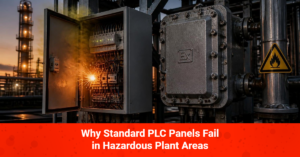

Pharmaceutical companies can have a bad day because of volatile gases, dust that can catch fire, and clouds of exploding vapour. It’s possible for an unrated spark from an electric tool to cause a lot of damage. For this reason, hazardous zone labelling is helpful since it tells you what things that are flameproof keep people and homes safe from fireworks.
What Is Hazardous Area Classification in Pharmaceutical Manufacturing?
The labelling of dangerous areas always finds places with explosive atmospheres. In drug plants, mixing, distilling, and chemical reactions give off gases and vapours that can catch fire. Lactose can make dust that is easy to catch on fire during production.
Plant areas are put into zones based on how likely they are to explode. In Zone 0, there are always flammable atmospheres. In Zone 1, they are likely to be there during normal events. Unlikely to be in Zone 2. Dust may burn in Zones 20, 21, and 22. These parts will assist you in choosing switch boxes, panels, and other things that won’t catch fire.
Protecting Lives and Assets in Pharma Plants
In pharmaceutical plants, fires and explosions can happen because of bad electrical wiring. When you turn on normal electrical equipment, it can spark or get too hot when it’s under a lot of stress. This kind of gear will catch fire if there are gases that can catch fire around it.
Facilities can use flame-proof technology that can handle explosions inside without starting fires outside when they use the right classification. An explosion-proof control panel keeps the arcs inside from getting out of their cage. Flammable cable glands cover cable holes to keep protective casings safe.
Typical Hazardous Areas in a Pharmaceutical Facility
Some portions of the drug factories need more care:
- Storage tanks and reactors: Always hold flammable solvents, making the inside of vessels like Zone 0/20.
- Sampling points and loading areas: During operations, make Zone 1/21 environments.
- Warehouses storing organic solvents: Need the right pharma HVAC systems with ventilation that won’t explode
- Chemical laboratories: Handle a variety of combustible materials that need full protection
- Dust processing areas: Places where things like lactose make clouds of dust that can explode
All electrical distribution in manufacturing facilities that use solvents like acetone, methanol, or toluene needs flameproof panels. Vents, flanges, and valve assemblies on process equipment can all be places where things can leak out; they need to have the right zone ratings around them.
How Zone Classification Dictates Equipment Choice
Once zones are set up, there are rigorous rules for choosing equipment. Only intrinsically safe gadgets are allowed in Zone 0 regions. In Zone 1, you need flameproof enclosures, pressurised equipment, or other certified ways to protect yourself. The standards for an explosion-proof ventilation system in Zone 1 are very different from those in Zone 2.
The classification takes into account how well and how often ventilation is available. Natural ventilation in outdoor tank farms offers varying levels of safety compared to mechanical pharmaceutical HVAC systems in enclosed processing areas. The final size of a zone is based on the release grades (continuous, primary, or secondary) and the ventilation parameters.
Meeting Safety Standards Through Classification and Equipment Ratings
Gas and dust are categorised around the world by international standards such as IEC 60079-10-1 and IEC 60079-10-2. IS 5572 and IS 5571 require area division and tool selection. These standards ensure facility and manufacturer uniformity.
Every flameproof junction box, cable gland, and control station has certification markings that show what zone it’s safe to use in and what temperature class it belongs to. A flameproof panel with a T4 temperature rating and a Zone 1 rating may safely work in acetone vapour conditions when the temperature at which things catch fire is 465°C.
Ensuring Long-Term Safety Through Proactive Measures
It’s not a one-time affair to put dangerous places into categories. We need to re-examine changes to plants, processes, and the introduction of new chemicals. Keeping chemical stocks up to date with flash points and explosive limits, regularly checking installed equipment against current zone classifications, and teaching maintenance workers on how to install flameproof items properly are all examples of best practices.
Facility layouts should clearly show where dangerous areas are. Warning signs tell workers to take extra care in certain places. Proper care of explosion-proof control panels and ventilation systems keeps them able to safeguard people over time.
Secure Your Pharmaceutical Operations Today
Making drugs requires strict safety requirements that can’t be broken. The correct hazardous area categorisation and approved flameproof equipment work together to protect your activities from possible disasters in many ways.
Bharatflameproof is a top maker of flameproof junction boxes in Mumbai and India. They offer complete solutions for hazardous regions in the pharmaceutical industry. Every product satisfies strict international standards, from flameproof panels to specialised control stations and equipment that is made to order. Don’t leave safety to chance; be sure your facility has proven protective solutions made for pharmaceutical settings.
FAQs
Only in places that aren’t dangerous. Certified explosion-proof panels and flameproof enclosures are needed in classified areas.
At least once a year, if operations alter, new chemicals are added, or equipment is changed.
Yes, while serving classified zones, pharmaceutical HVAC systems need ventilation parts that won’t explode.