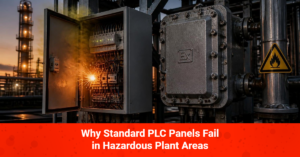

One faulty link. Just that can blow up a typical industrial operation. Gases, vapours, and dust clouds can catch fire with a spark. This makes choosing the right cable more than just following the rules, as it’s a matter of life or death.
What Is a Flameproof Cable Gland?
A flameproof cable gland is a special piece of equipment that grips and seals electrical wires that go into explosion-proof control panels, flameproof junction boxes, and other certified enclosures. These are unlike conventional glands since they are made to contain explosions inside and stop flames from spreading to the outside, which is dangerous.
For pressure and flames, they can manufacture “flameproof” seals. These devices fulfil ATEX, IECEx, and IS/IEC 60079 safety standards and can withstand extreme circumstances.
Why the Right Cable Gland Selection Matters
Choosing the wrong cable gland could put your entire safety system in danger. The only thing that makes a flameproof panel or explosion-proof ventilation system safe is that it has a weak point of entry. Bad judgments might leak gas, damage seals and void safety certificates.
The right flameproof cable gland protects oil and gas, petrochemicals, mining and pharma HVAC workers’ safety, equipment from breaking and operations running smoothly.
Considerations for Choosing a Cable Gland
- Match Protection Level: Your cable gland must match or exceed the device’s protection rating. To use an Ex d flameproof flood light, you require an Ex d-approved gland. Don’t accept anything less.
- Cable Type Compatibility: Check to see if the cables you are using are armoured (SWA, AWA) or not. Pick glands that have the correct way to seal. Use barrier types for gas-tight applications and armour-clamp types for mechanical retention.
- Zone Classification: There are numerous techniques to keep people safe in different types of dangerous environments. In Zone 1 areas with flameproof exhaust fans, barrier glands are frequently needed. In Zone 2 regions, regular sealed glands can be fine.
- Thread varieties: Ensure that explosion-proof HVAC equipment and enclosures have compatible metric, NPT, PG, or ET threads.
Don't Make These Mistakes
Avoid sealing tape and heat-shrink on large cables. Avoid mixing metals without corrosion prevention. Don’t skip barrier glands in Ex d conditions until your cable meets all three of these requirements: it has a round and compact shape, extruded bedding, and fillers that don’t soak up water.
Installation & Maintenance Tips
Always hire job-trained professionals. Check that the equipment has five complete threads or 8mm thread engagement. Check the seals and tighten them regularly with the right torque. All installations should be tracked for compliance.
Why Choose Bharat Flameproof Cable Glands
Experience is important when safety can’t be put at risk. Bharatflameproof has been making ATEX- and IS/IEC-certified cable glands for decades. Their devices keep important places safe all around Mumbai and India, from petrochemical plants to drug companies. We put each flameproof cable gland through a lot of tests to make sure it works when it matters most.
Conclusion
It’s not enough to click boxes when choosing a cable gland. You must also provide safe barriers between fire and explosion hazards. Be it installing an explosion-proof panel or a flameproof junction box, every aspect of your system affects its safety.
Safety isn’t assured. Bharatflameproof is the most trusted flameproof cable gland maker in Mumbai and India. You can install their products to get the best safety.
FAQs
These words usually mean the same. The IEC calls it “flameproof” (Ex d), although North America uses “explosion proof” more.
In Ex d conditions, barrier glands are needed unless the cables are spherical, tiny, have extruded bedding, use fillers that don’t soak up moisture, and are at least 3 meters long.
Regularly inspect seals, torque, and corrosion. Replace worn parts immediately and document maintenance.