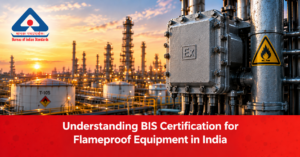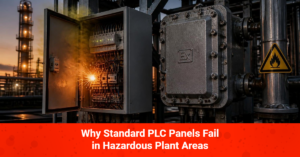

Oil refining takes place in environments involving extremely flammable and volatile liquids and gases, so that a single spark can bring great destruction or damage. Normal appliances cannot withstand these dangerous conditions. This way, installations call for special protective gear.
Choosing the essential flameproof equipment for oil refineries is crucial to prevent ignition risks, ensure regulatory compliance, and maintain safe operations in hazardous areas.
Before going to the purchase of equipment, people should identify the hazardous areas and categorize them as per classification. A comprehensive set of the major safety equipment available at Indian oil refineries is given below.
Why Oil Refineries Need Different Types of Flameproof Equipment
Each area of a refinery has its own set of risks. You have large crude oil storage tanks, severe chemical processing units and high-pressure pumping stations. Flammable vapors are continually being emitted into the air from each of these areas.
When the electrical switch is normal, a click produces a small spark. This spark is harmless in a normal room. That tiny spark in a refinery could light the surrounding gas and thereby start a chain reaction.
That’s the reason why electrical equipment is mandatory to be flameproof. These special devices boast densely designed metal casings. They can’t just prevent gases from entering the box. Rather, they are meant to be able to withstand an inside blow. In case of a spark within the box, the gas will be ignited, and the sturdy enclosure will take up the shock. The engineered joints then chill the hot gases that escape so they won’t catch fire and create a hazardous environment outside the box.
This type of equipment is also known as explosion-proof equipment in the industry. These two phrases allude to the same safety idea. The plant is in constant use, and thus these products are used in a vast range of different refineries. For nighttime work, workers should have reliable lights to see. Very strong fans are required to remove harmful gases from the plant. Heavy machinery needs to be controlled by engineers with the use of control panels.
Under these extreme conditions, regular commercial equipment is subject to failure or fire occurring within a short time. Safe and continuous operations can only be achieved with custom-built, tested and certified equipment.
Essential Flameproof Equipment Used in Oil Refineries
It’s important to make the right choice for the right job when constructing a safe refinery. This is a list of the basic equipment that ensures the safe operation of today’s refineries on a daily basis.
| Equipment Type | Main Function in a Refinery | Why It Is Essential |
| Flameproof Lighting | Provides safe, bright illumination across the entire plant. | Poor visibility causes accidents. These lights ensure workers can safely monitor gauges and perform nighttime maintenance without risking a spark. |
| Flameproof Junction Box | Safely connects, houses, and routes multiple electrical wires. | Wires often spark where they connect. These robust boxes contain any internal short circuits, protecting the wider electrical grid. |
| Distribution Board | Divides electrical power into subsidiary circuits across a zone. | It safely controls the power supply to various machines and lights. It houses breakers that stop power overloads safely. |
| Flameproof Exhaust Fan | Conveys poisonous gases, fumes, and strong heat away from confined areas. | Proper ventilation is crucial. A flameproof exhaust fan will extract toxic air safely without causing an explosion due to sparking by its motor. |
| Flameproof Cable Gland | Secures cables as they enter an electrical enclosure. | A flameproof cable gland seals the entry point. It prevents dust and gas from sneaking inside the box and protects the cable from tearing. |
For a detailed guide on selecting flameproof lighting for hazardous locations, explore our blog on flameproof lighting solutions for oil and gas environments.
Factors to Consider When Choosing Flameproof Equipment for Oil Refineries
1. Exceptional Material Quality
Refineries are very corrosive facilities. Equipment is subjected to severe weather conditions, salt in the air and harsh chemicals. The highest quality cast aluminum alloy or stainless steel enclosures must always be sought. Rust and impact resistance of these materials.
2. Temperature Class Ratings
The temperature at which various gases will burn. Heat is going to be produced by your equipment while it is operating. It's important to ensure that the surface temperature of your equipment never exceeds the ignition temperature of the surrounding gases. Before buying, always look at the "T-rating" or the Temperature Class.
3. Choosing the Right Manufacturer
There are not all the same quality of suppliers. It's a must to collaborate with trusted and tested India flameproof enclosure manufacturers. Skilful manufacturers are acquainted with the regional climatic conditions and particular industry issues. They thoroughly test their products before they're shipped to your site.
4. Overall System Integration
No isolation of your electric devices. They are part of a system of all types of refinery safety equipment. Make sure that the lighting and control panel are compatible with the existing electrical system and that the new junction box fits into the existing system. When the components don't fit, there could be wiring issues.
Key Standards and Certifications to Consider
PESO Certification
In India, the organization that plays the most important role is the Petroleum and Explosives Safety Organization (PESO). For the operators of an oil refinery in the country, all the flameproof items used should bear a PESO certificate. This is a sign of having undergone rigorous certification testing in the country.
ATEX Directives
ATEX is an EU safety standard. A lot of good Indian manufacturers prepare their goods as per these stringent European standards. ATEX-certified equipment is trusted throughout the world.
IECEx Certification
An alternative international standard is IECEx (International Electrotechnical Commission Certification for products certified to standards of equipment that are used in an explosive atmosphere). Assures uniformity of safety on equipment from all manufacturers.
Do request a clear and up-to-date copy of these certificates from your supplier before ordering.
Conclusion
FAQs
Rain, dust and wind are prevented by weather-proof equipment. There are no explosions in it. Flameproof equipment is designed in a way that it will prevent internal explosions from reaching gases outside the equipment.
A simple visual inspection is to be done monthly. Check for loose bolts, broken glass or heavy corrosion. A comprehensive and detailed examination conducted by registered professionals should take place annually.
No, Conventional LED lighting does not have a suitable spark containment and extreme surface temperature regulatory mechanism. In a Zone 1 area, only certified flameproof LED lighting can be used.
A zone 2 area is an area in which flammable gases are not likely to be found under normal conditions. In case of a leak, the gas will remain in the area for a brief moment only. But, in these areas, one still requires safety equipment that has been certified.
No, Flameproof boxes can be vented with gases. The function of the box is to safely confine the explosion, in case the gas inside the box ignites.