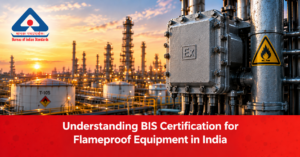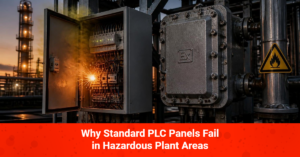

Sparks at oil refineries can trigger huge explosions that can cost lives. Regular illumination is dangerous since oil and gas always include flammable gases and unstable chemicals. Flameproof light fixtures silently protect workers in unsafe environments. Every flameproof lamp is an important safety barrier that keeps things running smoothly and stops disasters from happening.
Understanding Flameproof Lighting
Flameproof LED light systems are made to keep explosions inside their enclosures. These specific fixtures keep ignition sources from getting to combustible areas. The strong construction keeps any sparks or heat from escaping, which protects nearby places from catching fire.
Problems with Lighting in Oil and Gas Settings
Oil and gas sites have unique lighting issues. High temperatures, caustic chemicals, and explosive conditions require special solutions. Traditional illumination solutions fail under these extreme conditions. For safety checks and maintenance work, workers require dependable light. In these kinds of places, standard fittings can be dangerous.
Types of Flameproof Lighting Solutions
There are many different types of modern flameproof lights:
- An explosion-proof LED flood light is great for lighting up huge areas on platforms and in refineries.
- LED tube lights that won’t explode are great for lighting up control rooms and other indoor spaces
- Portable work lights facilitate inspection and maintenance.
Each kind meets certain operational needs while also keeping safety standards.
Flameproof Lights Benefits in the Oil & Gas Industry
These lighting options meet international safety regulations more fully. Using less energy lowers the cost of running a business a lot. Longer longevity means less maintenance is needed in dangerous areas. Reliable performance makes sure that operations can continue without putting safety at risk. Weather-resistant structure can handle tough weather.
Innovations & Trends in Flameproof Lighting
Integration of smart sensors makes it possible to monitor things from afar. Solar-powered solutions make infrastructure less dependent on other things. Advanced LED technology makes energy use even more efficient. Features for predictive maintenance stop problems from happening out of the blue. Holographic optics improve how light spreads out.
Applications of Flameproof Lighting in Oil & Gas
Flameproof light fixtures are very important in many different situations. Marine-grade fittings are needed for offshore platforms. Processing regions at refineries need a lot of light. Storage facilities need dependable lighting to keep an eye on safety. Pipeline stations need exterior lights that can handle bad weather. Loading terminals need special flameproof light systems to keep vehicles safe.
Best Practices for Choosing Flameproof Lights
Choose fixtures based on the types of hazards they will be in. Check for ATEX and IECEx compliance. Consider how the environment may affect temperature and corrosion. Choose LED technology to save more energy. Make sure that certified specialists do the installation right.
Conclusion
There can’t be any lighting failures or safety problems in the oil and gas industry. Flameproof lighting is safest, most efficient, and most reliable. These incredible technologies keep workers safe and operations running smoothly in the world’s most perilous places.
Ready to boost facility safety with flameproof lighting? Bharat Flameproof is one of the best manufacturers of flameproof lights in Mumbai and India. They make the most advanced lighting solutions that are made just for you. Our certified products meet international safety standards and help you get the most out of your operations. Don’t let poor lighting put your business in danger. Call our experts immediately to get the best flameproof lighting solution for your building.
FAQs
Flameproof lighting prevents internal explosions in sealed enclosures, preventing flammable gas or vapour fires.
Yes, these lights are designed for hot, wet, and corrosive oil and gas operations.
Good flameproof LED lights can last for more than 50,000 hours, which means they need a lot less maintenance in dangerous places.